
One building, two uses
A standard residential or buy-to-let mortgage may not suit property containing a significant commercial element. A semi-commercial lender can assess the whole security, including both income streams and occupancy arrangements.
Finance for properties combining commercial and residential space.
Mixed-use property finance
A shop with a flat above, a restaurant with accommodation or a building containing commercial and residential units may need specialist mixed-use finance.
Catherine establishes how each part is occupied and earns income before considering lenders whose criteria fit the property.
Discuss Your Plans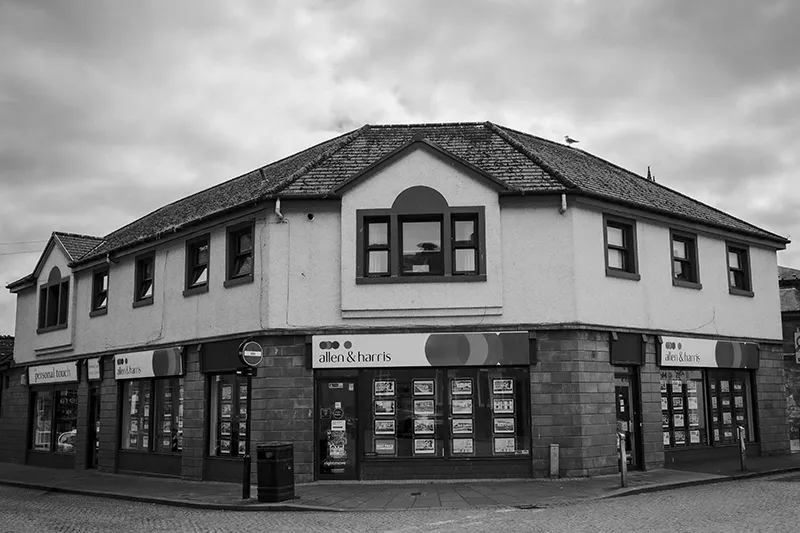
Availability and terms depend on the individual application and lender criteria.
No single loan-to-value, rate or term applies to every transaction. These are some of the factors a lender may consider.
Finance is subject to status, affordability, security and lender criteria. Rates, fees and terms vary. Independent tax, legal, valuation or accounting advice may be required depending on the transaction.
Your property may be repossessed if you do not keep up repayments on a mortgage or other debt secured against it.
A standard residential or buy-to-let mortgage may not suit property containing a significant commercial element. A semi-commercial lender can assess the whole security, including both income streams and occupancy arrangements.
Where the applicant’s business uses the commercial part, serviceability may depend more heavily on its accounts. For an investment, the leases, tenants and total rental cover are likely to carry greater weight.
Local commercial finance
Mixed-use buildings are part of the character of Ayrshire towns: a shop with a flat above in Kilmarnock town centre, a café with accommodation in Largs or Troon, a pub with living space in a village. Glasgow has its own mix of ground-floor units below tenement flats.
Lenders look at both parts of the building: the commercial lease or trading business, the residential tenancies and how the space is split. Catherine helps you gather the leases, rent figures and accounts that matter, so the right type of lender is approached from the start.
It commonly is, although classification and available finance depend on the individual property.
Potentially. The lender will consider both tenancy arrangements and the combined income.
This can materially change the regulatory and lending position, so it must be disclosed and assessed before a recommendation is made.
It is usually assessed as commercial lending, although the residential part and how much of the building it represents can affect the lender choice.
Possibly. If you or family will live there, the regulatory position and the lenders available can change, so this should be discussed early.
Planning, building warrant and lender consent may all be needed. Changing the use can also change the value and how the property is financed.
Tell Catherine what you’re looking to achieve and she can assess the requirement and discuss the potential routes forward.
Speak to CatherineWhether you’re considering a commercial property purchase, refinancing an existing facility, investing in equipment, acquiring another business or looking for additional funding to support your next stage of growth, the first step is simply to have a conversation.