
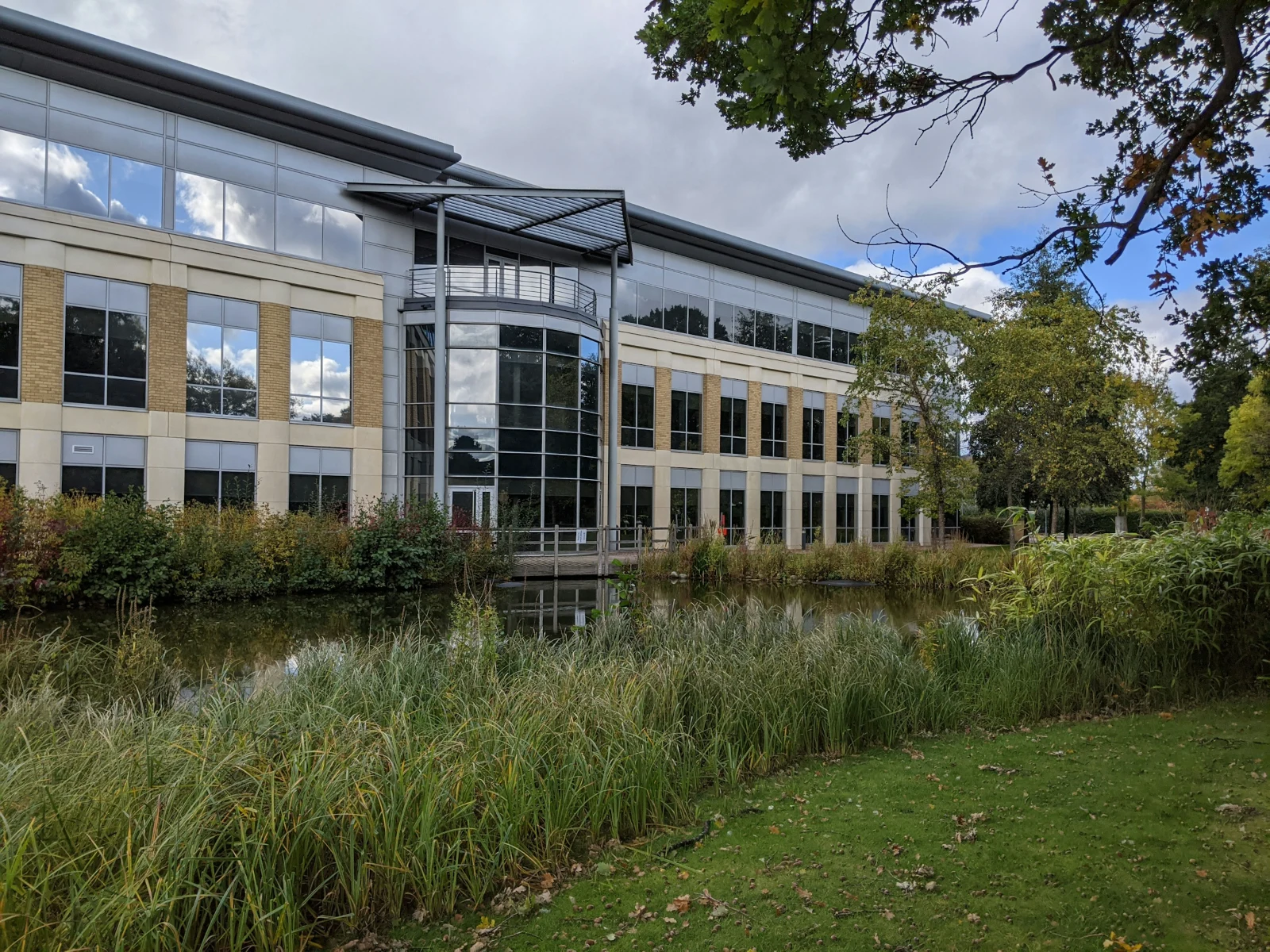
"How much deposit will I need?" is usually the first question I am asked about buying commercial property. The honest answer is that there is no single figure. The commercial mortgage deposit you need in Scotland depends on the property, your business, the lender's view of risk and how much income the property or business produces. This guide explains how lenders arrive at the figure, what pushes it up or down, and how to budget for the full cash requirement, whether you are buying in Kilmarnock, Ayr, Glasgow or anywhere else in Scotland.
With a background of more than 25 years in accountancy, I always start with the numbers behind the deposit, because the deposit is only one part of the cash a purchase needs. For an overview of the options, see my commercial mortgages page.
Why there is no fixed commercial mortgage deposit in Scotland
With a residential mortgage, lenders often publish clear loan to value bands. Commercial lending is assessed case by case. Each lender sets its own maximum loan to value for different property types and borrowers, and then decides how much it will actually lend after looking at the valuation, the income and the borrower.
That means two buyers looking at similar units on the same Kilmarnock industrial estate could be asked for very different deposits. One may be an established business with strong accounts buying its own premises; the other may be a new investor buying a vacant unit. The lender sees very different levels of risk.
As a broad guide only, commercial lenders usually expect the buyer to fund a larger share of the price than a typical residential buyer would. A lender's published maximum is a ceiling, not a promise of what your business can borrow.
How commercial mortgage loan to value works
Commercial mortgage loan to value (LTV) is the loan as a percentage of the property's value. The deposit is the balance you fund yourself.
For illustration only: if a property is worth £400,000 and a lender offers 70% LTV, the maximum loan is £280,000 and the deposit is £120,000. These figures are an example, not an indication of what any lender will offer.
Three things are worth knowing:
- The lender uses its own valuation. A chartered surveyor instructed for the lender values the property. If the valuation comes in below the price, the loan is based on the lower figure and your deposit goes up.
- LTV is a ceiling, not the answer. The lender will also test affordability. If the income does not support the full LTV, it will lend less.
- Value can mean different things. For a trading business such as a hotel or nursery, the valuation may reflect the business as well as the bricks and mortar, and lenders may treat the goodwill element more cautiously.
What affects the deposit you need
Owner-occupied or investment
If your business will trade from the property, the lender looks mainly at your business accounts and whether profits comfortably cover the repayments. If you are buying to let to a tenant, the lender looks at the lease, the tenant's strength and the rent. My guide to owner-occupied commercial mortgages in Kilmarnock covers the first case, and commercial investment mortgages in Glasgow covers the second.
Property type
Lenders see some property as easier to sell or re-let than others. A modern unit on a busy business park is generally viewed differently from a specialist building with one possible use. Mixed-use property, such as a shop with a flat above in Ayr, has its own approach; see my guide to semi-commercial mortgages in Ayr.
Your accounts and track record
Lenders usually want two or three years of accounts, along with up-to-date management figures. Steady, well-documented profits help. A new business, or one with a recent loss, may be asked for a larger deposit or additional security.
Lease length and tenant quality
For investment property, a long lease to a well-established tenant can support a higher LTV than a short lease, a lease with an early break, or a vacant unit.
Interest rates and affordability
The Bank of England raised Bank Rate from 3.75% to 4% on 5 November 2026, with the next decision due on 17 December 2026 (correct at the time of posting). When rates rise, lenders' affordability and rental cover tests become harder to meet, and the maximum loan can fall even though the property's value has not changed. That pushes up the deposit.
The full cash requirement: more than the deposit
This is the part I spend the most time on with clients. The deposit is often the largest item, but it is not the only one. A realistic budget for buying commercial property in Scotland usually includes:
- Land and Buildings Transaction Tax (LBTT). For non-residential property in Scotland, LBTT is charged at 0% on the first £150,000, 1% from £150,001 to £250,000 and 5% above £250,000 (2026-27 rates, correct at the time of posting). On a £400,000 purchase that comes to £8,500.
- VAT. Some commercial property is sold with VAT added. Even if you can reclaim it, you may need to fund it at completion. Ask your solicitor and accountant early.
- Valuation and survey fees, which are usually paid upfront and are not refundable if the purchase does not go ahead.
- Legal fees for your solicitor and, usually, the lender's solicitor.
- Lender arrangement fees and broker fees.
- Fit-out, repairs or energy works, which lenders rarely fund as part of a standard commercial mortgage.
- Working capital to keep the business running after completion.
My business premises checklist for Ayrshire has a fuller budget list. My advice is simple: do not use all your cash on the deposit and leave the business short.
Ways to reduce the cash you put in
There are several ways to structure a purchase that may reduce the deposit. Each brings its own cost and risk.
- Additional security. Offering a charge over another property can reduce the cash needed, but it puts that property at risk as well.
- Equity release from other property. Refinancing property you already own can raise funds, but it increases your total borrowing.
- Vendor finance. Occasionally a seller will defer part of the price. This needs careful legal drafting and the lender's agreement.
- Short-term bridging finance. Useful where speed matters, for example at auction, but it is more expensive and needs a clear exit. See my bridging finance page and guide to buying commercial property at auction in Ayrshire.
- Pension funds. Some business owners buy premises through a SIPP or SSAS. This is a specialist area that needs advice from a pension adviser.
Where a deposit is borrowed from elsewhere, the lender will usually want to know, and it will count towards your total commitments.
Buying in Kilmarnock, Ayr and the rest of Scotland
The Scottish buying process has its own steps that affect when you need your deposit. The purchase becomes binding when missives are concluded, which can come earlier than exchange of contracts in England and Wales. Your finance should be agreed before then, as you could be committed to the purchase without it. The lender's security is a standard security registered in the Land Register by the Registers of Scotland, and your solicitor will need the deposit and costs in their client account before completion.
Whether you are looking at a commercial mortgage in Kilmarnock for a unit in East Ayrshire, comparing commercial mortgages in Ayr for an office or shop, or buying investment property in Glasgow, the principles are the same. The local market still matters, as the lender's valuer will look at demand and comparable sales in that area.
Frequently asked questions
What is a typical commercial mortgage deposit in Scotland?
There is no single typical figure. Lenders set their own maximum loan to value by property type and borrower, then adjust for valuation and affordability. In practice, commercial buyers usually need a larger deposit than residential buyers, and the cash needed for fees, LBTT and possibly VAT comes on top.
Can I get a 100% commercial mortgage?
Lending the full price against the property alone is very unusual. Some buyers achieve a similar result by offering additional security, but that puts other property at risk and is assessed case by case.
Does the deposit have to be my own money?
Lenders usually want to see where the deposit comes from. It may come from savings, business funds, the sale of other property or equity in other property, but borrowed deposits will be treated as part of your total debt.
Do I pay LBTT on a commercial property purchase in Scotland?
Yes, LBTT applies to non-residential purchases above £150,000, at 1% on the slice up to £250,000 and 5% above that (2026-27 rates, correct at the time of posting). Different rules apply to leases and to mixed-use property.
Speak to a commercial mortgage broker in Scotland before you offer
If you are planning to buy commercial property in Kilmarnock, Ayr or anywhere in Ayrshire, Glasgow or the rest of Scotland, I can help you work out a realistic deposit and full cash budget before you offer, so you know where you stand. As a commercial mortgage broker in Scotland with an accountancy background, I look closely at the figures behind every application.
Please get in touch through my contact page or email catherine@tnfinance.co.uk.
Please note: all rates, tax bands and figures in this article are correct at the time of posting (November 2026) and may change. Please check the current position before making any decision.
Catherine McNiven acts as a commercial finance broker, not a lender. Most commercial mortgages and some forms of business finance are not regulated by the Financial Conduct Authority. Where residential use is involved, the regulatory position can depend on the property, borrower and intended occupation. Your property may be repossessed if you do not keep up repayments on a mortgage or other debt secured against it.